If you are choosing navratri kids clothing for the first time, the biggest question is usually not what looks pretty on the hanger. It is what a child will actually wear happily for an evening of dancing, sitting, eating, playing and being hugged by relatives.
At TinyTraditionz, we think about children’s clothes the way parents do: comfort first, then movement, then the little details that help an outfit stay on for the whole celebration. Below, we have shared practical ideas for girls and boys, plus the sizing checks that matter most when you are shopping for an Indian outfit in the UK.
What makes Navratri outfits work for children
The best navratri kids clothing is the kind that lets a child move freely and forget they are wearing something special. For little ones, that usually means soft fabrics, easy fastenings and nothing scratchy at the neck, under the arms or around the waist. For older children, it is often about freedom to dance, bend and sit without fussing at sleeves or hems.
It also helps to think about the actual event. A quick temple visit needs a different outfit from a long garba evening or a school celebration. If you are comparing festive options more broadly, our Diwali outfit guide for children may also help, because many of the same comfort checks apply across the season.
Fabrics, linings and finishes that feel comfortable in real life
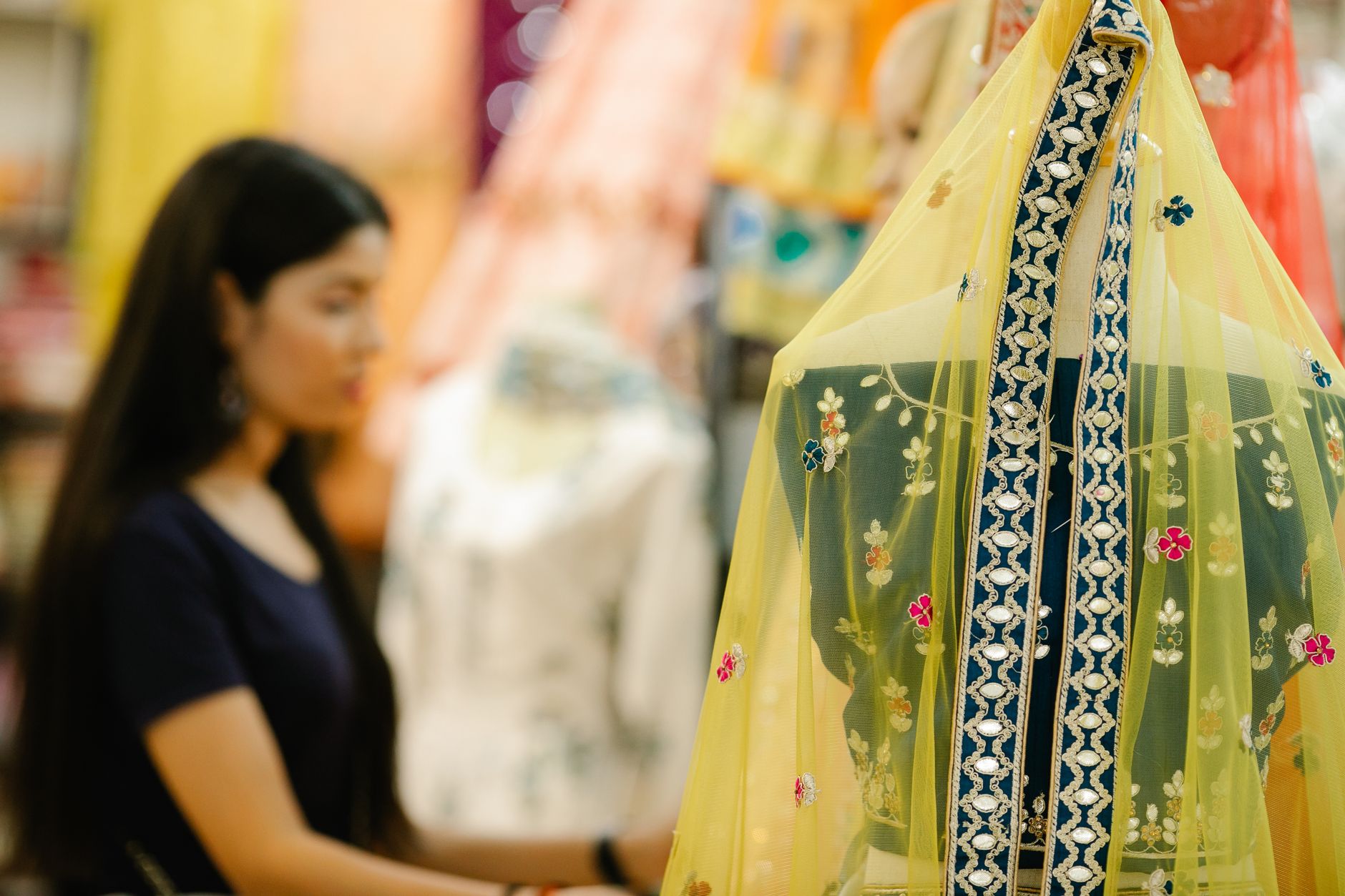
Fabric choice makes a huge difference to whether an outfit gets worn happily or taken off after ten minutes. For younger children, lighter fabrics with a soft lining usually work better than stiff embroidery or heavy decoration. Natural-feel fabrics and breathable blends tend to be kinder if the event involves dancing, warm rooms or layers.
Linings matter too. A beautiful outfit can still be uncomfortable if the inside feels rough. Check whether embellishment sits on top neatly rather than rubbing against the skin, and look at the neckline, armholes and waistband closely. If there are sequins, beads or threadwork, make sure they are secure and not placed where a child will lean, twist or lie down.
For toddlers and primary-age children especially, you want an outfit that washes the celebration out of their day rather than becoming the focus of it. That means fewer fiddly ties, less tightness at the waist and enough ease for running, climbing and sitting on the floor.
- Soft, breathable fabrics for longer wear
- Smooth lining at the neckline and bodice
- Secure trims that will not scratch or drop easily
- Simple fastenings that help with changes and quick dressing
- Room through the shoulders, waist and thighs for movement
Navratri outfit ideas for girls
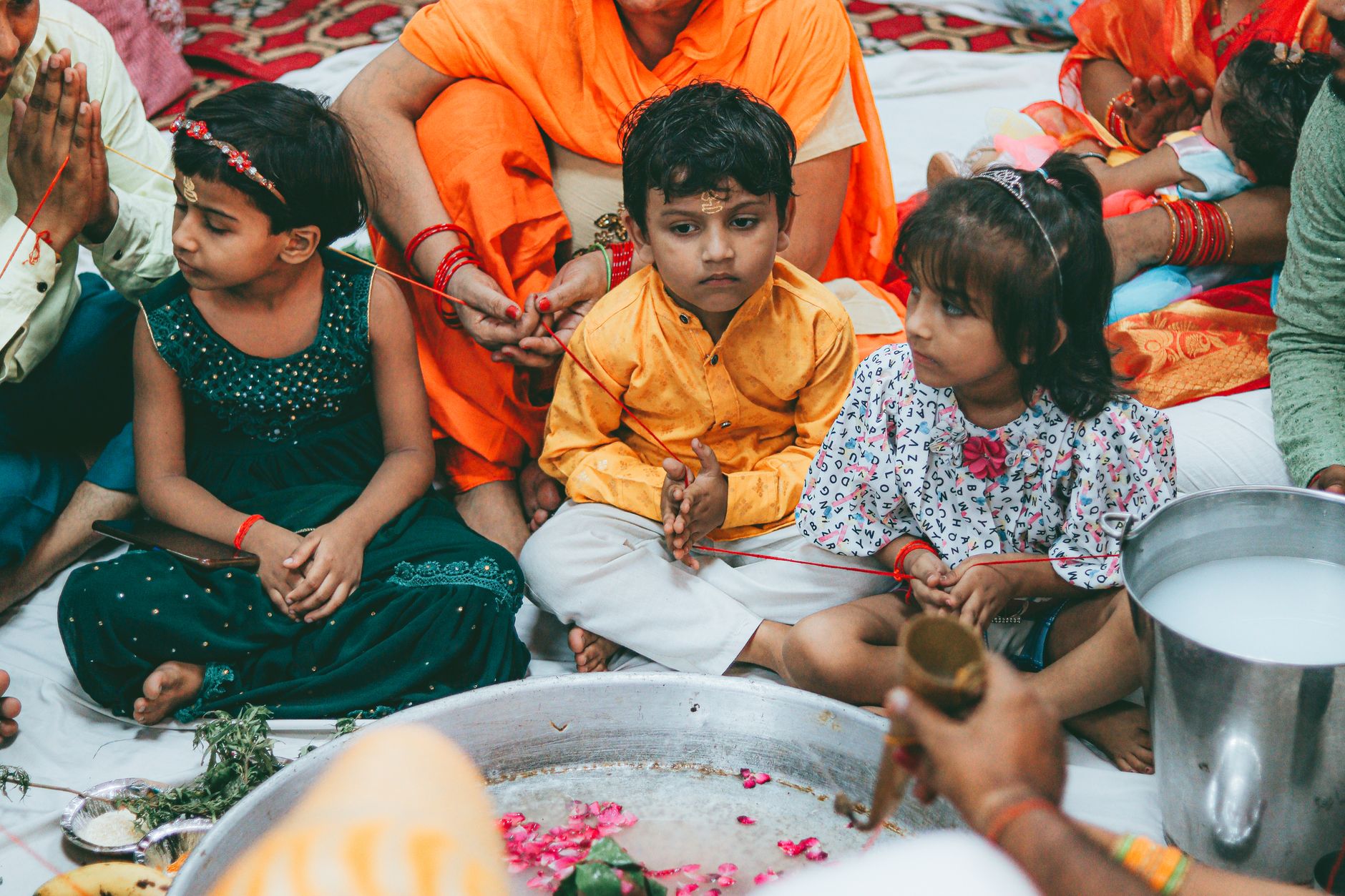
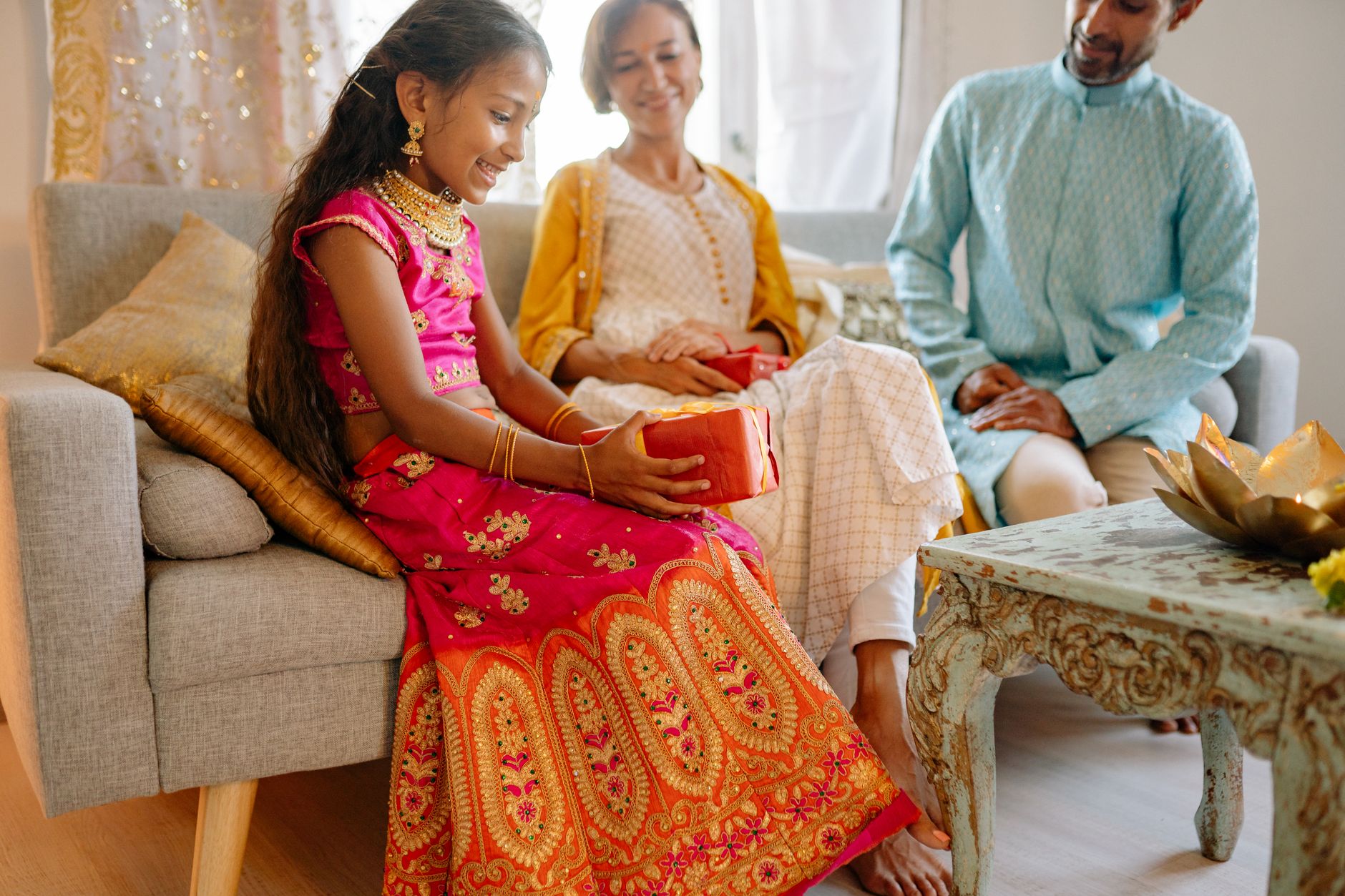
For girls, navratri clothing often works best when it feels festive without being too heavy or delicate. A well-cut lehenga set, a comfortable sharara style or a simple kurta with a fuller bottom can be much easier for a child than a very structured outfit. If she likes to twirl, look for skirts or flared bottoms with enough movement to make dancing fun rather than restrictive.
Sleeves and necklines are worth checking carefully. Many parents prefer a little more coverage for school events, temple visits or cooler evenings, while others are happy with shorter sleeves if the fabric is soft and the outfit layers well. The main thing is that the child should not be adjusting the top every few minutes. For a child who is new to Indian clothes, a familiar shape with festive details can feel easier than something heavily ornate.
Easy-to-wear options for toddlers, primary-age children and tweens
For toddlers, the simplest silhouettes often work best. Think elasticated waists, light dupattas only if they will not become a trip hazard, and tops that are easy to get on and off. At this age, practicality usually beats complexity every time. If an outfit looks precious but cannot survive movement, it will not last the evening.
Primary-age children often want something that feels special but not babyish. This is a good age for pieces with pretty borders, mirrors, embroidery or colour without too much weight. Tweens may care more about how grown-up the outfit looks, so a cleaner shape, a better fit and a comfortable finish can make all the difference. They will usually notice if something feels too tight or too fussy, so it pays to listen to their feedback.
If you are not sure what shape suits your child, you can send their age and measurements through our enquiry form and Anuja will reply personally with the most suitable options and fit advice.
- Toddlers: keep it simple, soft and easy to remove
- Primary-age children: choose festive details without too much weight
- Tweens: focus on a neater fit and a style they feel happy wearing
- For all ages: avoid anything that needs constant adjusting
Navratri outfit ideas for boys
For boys, the most wearable navratri kids clothing is usually a kurta set, sometimes with a waistcoat or jacket if the event feels more formal. A good kurta should allow movement through the shoulders and arms, especially if your child likes to dance or play. A neat, comfortable set can look smart without making a boy feel overdressed or restricted.
Waistcoats can lift the outfit for family celebrations, but they should not be too snug across the chest or under the arms. If you are dressing a younger boy, it may be best to keep the layers light and let the kurta do most of the work. For school events, a simpler kurta in a cheerful colour is often easier than anything too elaborate. If you want more inspiration around festive dressing, the same practical thinking used for our children’s Diwali styling guide can be useful here too.
Mix-and-match pieces are also helpful. A kurta that works with different bottoms gives you more flexibility if your child grows quickly or is in between sizes. That can be especially useful when you are choosing ahead of a celebration rather than at the last minute.
- Kurta sets are usually the easiest place to start
- Check shoulder room and sleeve length for movement
- Waistcoats should sit neatly, not tightly
- Simple outfits are often best for younger boys and school occasions
How to choose the right fit for Indian sizing
Indian sizing can feel confusing if you are used to UK children’s clothes, because the fit often varies by style, cut and age range. The safest approach is not to rely on age alone. A child of the same age may need a completely different fit depending on height, build and whether they prefer a relaxed or neater finish. Measure chest, waist, shoulder width and height if you can, then compare those details with the style you are considering.
Length matters as much as width. For girls, check where the hem will sit when she walks and sits down. For boys, make sure the kurta is not too short if he is tall for his age, and that the trousers or pyjama style do not pinch at the waist. Sleeves should allow the child to bend their arms comfortably without pulling across the shoulders.
Layering needs a little thought too. If you expect cooler weather, a slightly roomier fit can help if you need to add a top underneath or a light layer over the outfit. That is often better than choosing something exact in the body and hoping it will work with extra clothing.
Styling for garba, school events and family celebrations
For garba nights, the key is movement. Footwear should stay on securely, and hems should not drag underfoot. Flat shoes, soft sandals or secure closed shoes are often the easiest choice for children who will be dancing or running around. Avoid anything that slips off too easily, especially if your child will be on a busy floor or moving between indoor and outdoor spaces.
For school events, it is usually worth keeping accessories minimal. A simple bangle, hair accessory or necklace can be enough without becoming distracting. Children are often much happier with one or two pieces they barely notice than with lots of extra jewellery that needs constant straightening. If you are choosing thread jewellery or gifts as part of a celebration, keep comfort in mind in exactly the same way.
For family gatherings, a slightly dressier finish can work well, but it should still be practical enough for the child to sit, eat and play. Hair accessories should grip well without pinching, and anything tied on should stay put. The goal is not just a beautiful photo. It is an outfit that lasts through the whole occasion.
- Choose secure footwear that suits dancing and long wear
- Keep jewellery light and age-appropriate
- Pick hair accessories that grip without hurting
- Avoid trailing hems or extras that children may pull off
- Think about comfort from arrival through to the end of the event
When to send us your child’s age, size and occasion
If you are unsure what will suit your child, that is exactly when it helps to ask. TinyTraditionz works by enquiry, so you can send your child’s age, measurements, the occasion and any comfort preferences, and Anuja will reply personally with what is available and how it is likely to fit. That is especially useful if your child is between sizes, needs a little extra room or dislikes scratchy fabrics.
It is also helpful if you mention the event type. A temple visit, garba night, school celebration and family party may all need slightly different choices. The more you tell us, the easier it is to suggest something practical that your child will actually keep on for the whole celebration. You can use our enquiry page or send a message through Instagram if that feels easier.
Parents also ask
What is the most comfortable navratri outfit for a young child?
Usually the most comfortable choice is a soft, lightly lined outfit with an elasticated waist or simple fastening, plenty of room to move and nothing scratchy at the neck or under the arms. The best option is the one your child can sit, dance and play in without constant adjusting.
How do I choose the right size when buying Indian kids wear in the UK?
Measure your child’s chest, waist, shoulder width and height, then compare those details rather than relying on age alone. Indian sizing can vary between styles, so measurements usually give a more reliable fit, especially for children who are tall, slim or between sizes.
Can you help if I am not sure what suit my child?
Yes. TinyTraditionz is happy to help by enquiry. Send your child’s age, size or measurements and the occasion, and Anuja will reply personally with practical guidance on fit, comfort and what is most suitable.