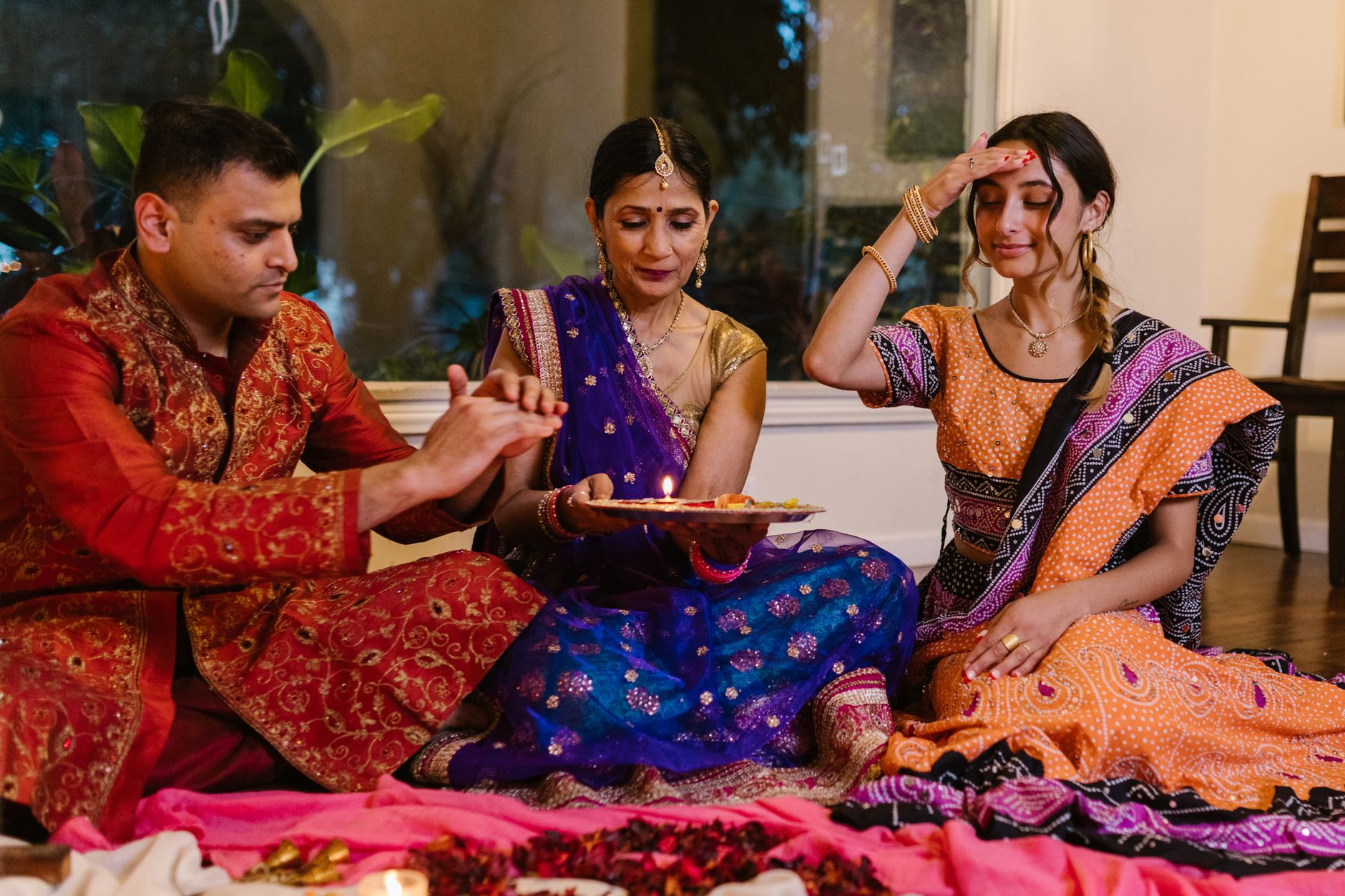
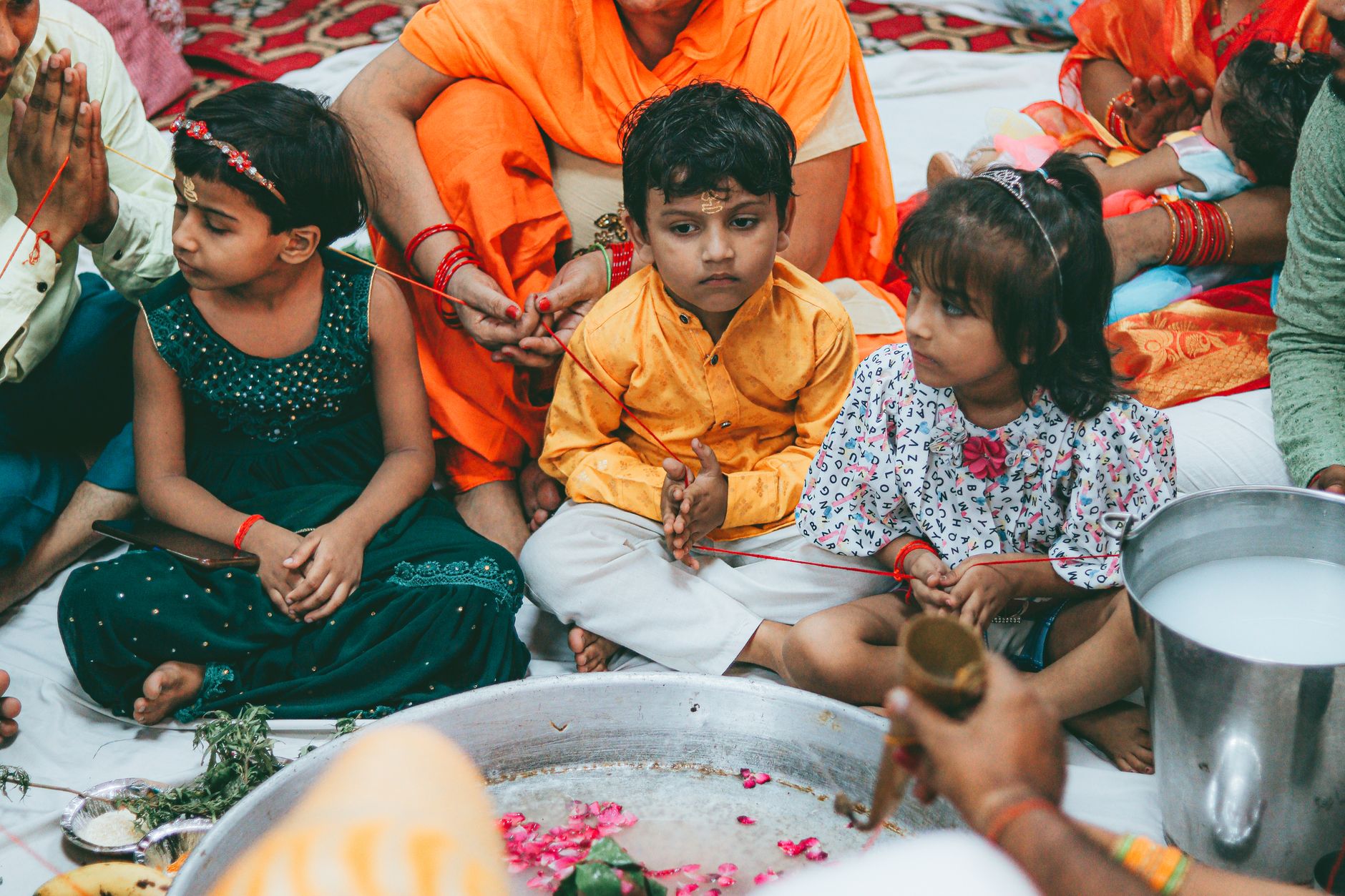
If you are dressing a child for an Indian wedding, the main goal is simple: they should look lovely and still feel comfortable enough to enjoy the day. That is especially important for younger children, who can turn wriggly very quickly if an outfit is scratchy, heavy or fiddly.
At TinyTraditionz, we always think parent first: what will the child actually wear happily from the first photo to the last dance? This guide covers the basics of indian wedding clothes for kids, so you can choose with more confidence and less guesswork.
Start with the event: mehndi, sangeet, ceremony or reception?
The best outfit depends on which part of the wedding your child is attending. A mehndi or sangeet often calls for something colourful, lively and easy to move in, while the main ceremony may feel a little more formal. Receptions can sit somewhere in between, with children dressed smartly but still able to sit, eat and play.
If you are unsure what level of dress is right, think about how long your child will be in the outfit and what they will actually be doing. A child who is dancing, running around and changing places all evening needs a different outfit from one who is mainly attending for the ceremony and a few photos. For more inspiration, you may also like our guide to boys’ wedding and festival outfits.
The best indian wedding clothes for kids by age and comfort level
When choosing indian wedding clothes for kids, age matters just as much as style. Babies and toddlers need softness, room to move and minimal fuss. Older children and teens usually want something that feels more grown-up, but they still need comfort if they are going to last through the day.
A good rule is to choose the smartest outfit that your child will happily keep on. If it needs constant adjusting, pinching or reminding, it is probably not the right one. The right choice is the one that lets them celebrate without complaint.
- Younger children usually do best in lighter, simpler outfits with easy fastenings.
- Older children may prefer more detailed looks, but soft linings and a sensible fit still matter.
- If your child dislikes “fussy” clothes, keep embellishment to a level they can tolerate.
- For girls’ outfit ideas, see <a href="/blog/girls-indian-wear/how-to-choose-a-girls-lehenga-for-an-indian-wedding">our lehenga guide for parents</a>.
Babies and toddlers: soft, easy outfits that allow movement
For babies and toddlers, comfort should lead the decision. Soft fabrics, gentle waistbands and simple shapes are usually the safest choice. An outfit should let a crawling baby crawl, a toddler sit on the floor, and both of them be lifted without anything digging in or twisting out of place.
Avoid anything too stiff, too layered or too heavy. Tiny children often do better in outfits that look festive but still feel light. If they are wearing jewellery or a hair accessory, keep it minimal and make sure it will not irritate skin or get pulled off constantly. Parents often find that a separate top and bottom is easier than a complicated all-in-one if the child is still very small.
- Choose soft fabrics with a gentle feel against the skin.
- Look for simple fastenings that make changes easier.
- Keep accessories small and comfortable.
- Make sure the outfit works for nappies, sitting and movement.
Older children and teens: dressier looks that still feel comfortable
Older children often enjoy dressing up, especially if they feel involved in the choice. This is the age where children may want something that looks smart in photographs, but they will still be the first to notice if a collar rubs, sleeves feel tight or embroidery scratches.
For boys, a kurta with comfortable trousers or a sherwani-style look can work well for formal events. For girls, a lehenga, sharara or an outfit with a dressier top and comfortable bottom can be a good balance. If your child is between sizes, it is usually better to favour a fit that allows sitting, eating and dancing without restriction. A smarter outfit that is uncomfortable will not stay on for long.
- Let older children try on the outfit before the event if possible.
- Check that sleeves, necklines and waistbands feel comfortable when sitting down.
- Choose footwear they can actually walk in, not just pose in.
- Ask whether the child will want to wear the outfit again for Diwali, Navratri or another family event.
Fabrics, fit and weather: what parents should look for in the UK
UK weather can make dressing for a wedding more complicated than it first appears. A summer event may still need a light layer for travel or an indoor venue with air conditioning, while a cooler season wedding may call for a slightly warmer fabric or an extra shawl. Breathable materials are usually the best place to start, especially for children who run warm when excited.
Fit matters just as much as fabric. Clothes that are too snug can make a child miserable by the middle of the event, but oversized outfits can trip them up or look untidy. Look for enough room to move, but not so much that hems drag or sleeves get in the way. If you are new to sizing, the helpful part is that you do not need to guess alone — you can send measurements and event details through TinyTraditionz’s enquiry form and Anuja will reply personally with what should work best.
- Think about season, venue and travel as well as the ceremony itself.
- Choose breathable fabrics where possible.
- Allow room for movement, sitting and eating.
- Check length carefully so the child can walk safely.
Shoes, accessories and finishing touches that won’t irritate a child
Shoes are easy to overlook, but they matter a lot. A child who cannot walk comfortably will notice it quickly, and so will everyone else. Choose shoes that are secure, soft enough to wear for a few hours and already broken in if possible. New shoes on a wedding day can cause rubbing before the celebrations have really begun.
Accessories should add to the outfit, not become the thing your child wants off within ten minutes. Hair clips, bangles, jewellery and headpieces can all look lovely, but a lighter finish usually works best for younger children. If your child is sensitive, keep it simple and focus on one or two details rather than layering everything at once.
- Avoid brand-new shoes if you can.
- Choose secure fastenings and a comfortable sole.
- Keep jewellery light and non-irritating.
- Do a quick “comfort check” before leaving home.
Common sizing questions for Indian outfits and how to avoid mistakes
Indian sizing can feel confusing if you are used to UK children’s clothes. Sizes can vary by style, maker and fit, so it is worth treating age as only a starting point. A child’s height, chest, waist and the style of outfit all affect what will actually work. That is why measuring at home is so useful, even if you are only doing a quick check with a tape measure.
Parents often worry about ordering the wrong size, especially for a special occasion. The safest approach is to share the child’s age, measurements and the event they are dressing for, then ask for guidance based on comfort and movement rather than just labels. If you want to see what kind of options TinyTraditionz helps families with, have a look at our wedding outfit collection page and then come back with the details so Anuja can advise on fit.
- Do not rely on age alone.
- Measure chest, waist and height where possible.
- Think about whether the child will wear a nappy or layers underneath.
- Always check how the outfit should sit when standing and sitting.
Not sure what to choose? Send age, measurements and occasion via /enquire
If you are feeling unsure, that is completely normal. Many parents come to Indian weddings for the first time without knowing what style, fabric or fit will suit their child best. The easiest next step is to send the child’s age, measurements and the occasion details through /enquire or by Instagram DM. Anuja will reply personally and help you work out what is available and what is most likely to fit well.
TinyTraditionz is a small UK family brand, so you are not dealing with a generic checkout or a faceless system. You can ask a real person whether the outfit sounds right for a mehndi, sangeet, ceremony or reception, and get practical advice before you decide. That personal help is often what makes the difference between a rushed guess and a child who feels comfortable all day.
Parents also ask
What is the best outfit for a child to wear to an Indian wedding?
The best outfit is one that suits the event and feels comfortable for the child. A child who is attending a formal ceremony may need something smarter, while a mehndi or sangeet may suit a lighter, more playful look. Comfort, fit and fabric matter just as much as style.
How do I choose the right size for Indian wedding clothes for kids?
Measure the child at home if you can, especially chest, waist and height, and do not rely on age alone. Indian sizing can vary, so it helps to share the measurements and the occasion details before choosing. That is the easiest way to avoid a poor fit.
Can children wear the same outfit for more than one event?
Yes, often they can, especially if the outfit is comfortable and not too formal for the later event. A versatile kurta set or a dressier outfit with comfortable construction can work for both family gatherings and wedding celebrations.
What should I do if my child dislikes traditional clothes?
Keep the outfit simple, soft and easy to move in. Children are much more likely to wear Indian clothing happily if it feels familiar and non-fussy. It can also help to let them have a small choice, such as a colour or accessory.