
Choosing kids indian wear can feel a bit different from buying everyday UK clothes, especially if you are new to Indian sizing or shopping for a special family event. The aim is not just finding the right age label — it is choosing something your child can actually wear comfortably, move in and keep on for the whole celebration.
At TinyTraditionz, we know parents want honest advice on fit, fabric and comfort, not guesswork. This guide walks you through what to measure, how to think about fit by age, and what to do if your child is between sizes or still growing before the occasion.
Why Indian Kids Wear Sizes Can Feel Different from UK Sizes
Indian kids wear often follows different size charts to standard UK clothing, so a child’s usual age label may not always be the best guide. Some outfits are designed with a closer fit at the chest or waist, while others allow more room through the body but need the right length in trousers, sleeves or hems.
That is why age alone is only part of the picture. A slim child, a tall child, or a child with broader shoulders may all need a different size even if they are the same age. If you are also choosing an outfit for a specific celebration, it can help to read a related guide such as our boys’ kurta sizing tips for family events.
What to Measure Before You Enquire
Before you send an enquiry, it helps to measure your child at home using a soft tape measure. You do not need to overcomplicate it. The key is to get a few reliable measurements so the outfit has a better chance of fitting properly on the day.
The most useful measurements for kids indian wear are chest, waist, height and shoulder width. For dresses, lehengas and more structured outfits, these measurements are especially helpful because they affect comfort, movement and how the outfit sits during the event.
- Chest: measure around the fullest part, keeping the tape level but not tight.
- Waist: measure around the natural waist, where the outfit is likely to sit.
- Height: useful for checking overall proportions, especially for longer styles.
- Shoulders: important for kurtas, blouses and fitted tops so the arms can move easily.
How to Choose the Best Fit for Babies, Toddlers and Older Children
For babies and toddlers, comfort comes first. Soft fabric, enough room for nappies and easy dressing matter more than a very exact age size. A little extra room is usually better than a tight fit, especially if the outfit will be worn for a long day of photos, family time and celebrations.
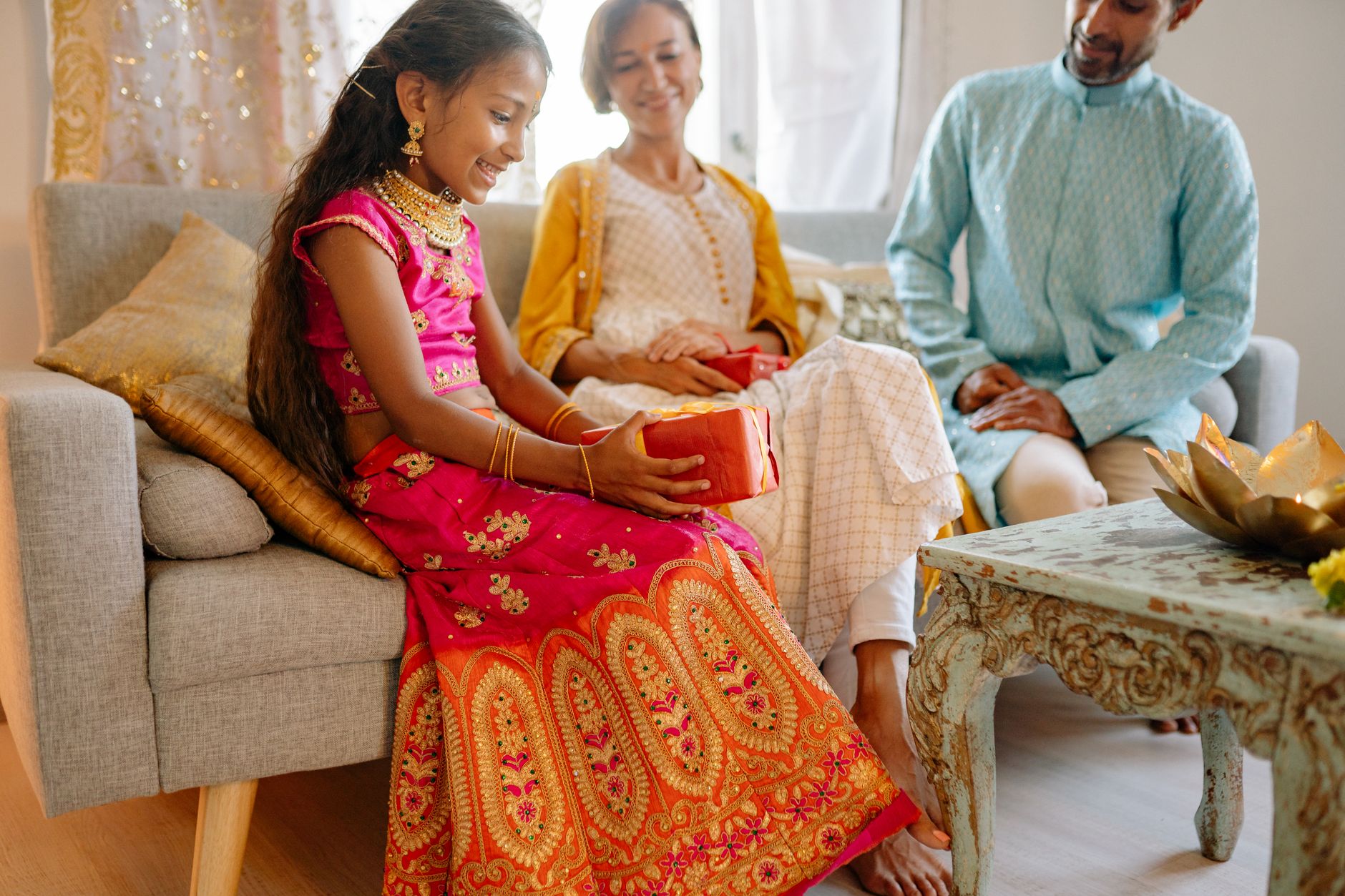
For children aged around 4 to 8, fit can become more specific because they are active, running about and often less patient with anything that feels scratchy or restrictive. You want an outfit that looks smart but still lets them sit, play and dance. For older children and pre-teens, shoulder fit and length become more important, particularly if the outfit needs to look neat for weddings or formal occasions. If you are planning festive dressing, you may also find our kids’ festive outfit ideas useful when deciding between styles that are easier or harder to wear for a full event.
- 0–2 years: prioritise softness, easy fastenings and room to move.
- 3–6 years: check chest and length so the outfit is not restrictive.
- 7–10 years: look carefully at shoulder width, waist and trouser length.
- 11–15 years: involve your child in the fit, especially if they care about comfort and style.
What to Do If Your Child Is Between Sizes or Growing Quickly
Being between sizes is very common, especially if the outfit is being bought for a future date. In most cases, it is safer to choose the size that gives a little more ease, as long as it will not look too loose at the shoulders or waist. That is usually better than choosing something that may feel tight by the time the event arrives.
If your child is going through a growth spurt, think about how long until the occasion and whether the style allows for a bit of flexibility. Some families prefer a slightly roomier fit for comfort, while others want a neater fit for photos. The best choice depends on the child, the outfit and the event. You can also explore our girls’ lehenga fit guide for wedding dressing if you are weighing up more structured styles.
- Choose a little room to grow if the event is still some way off.
- Avoid sizing up so much that sleeves, hems or waistbands become awkward.
- Think about footwear too, especially for longer trousers and occasion wear.
- If the child dislikes scratchy seams or tight necklines, comfort should take priority.
Comfort Checks for Weddings, Diwali and All-Day Celebrations
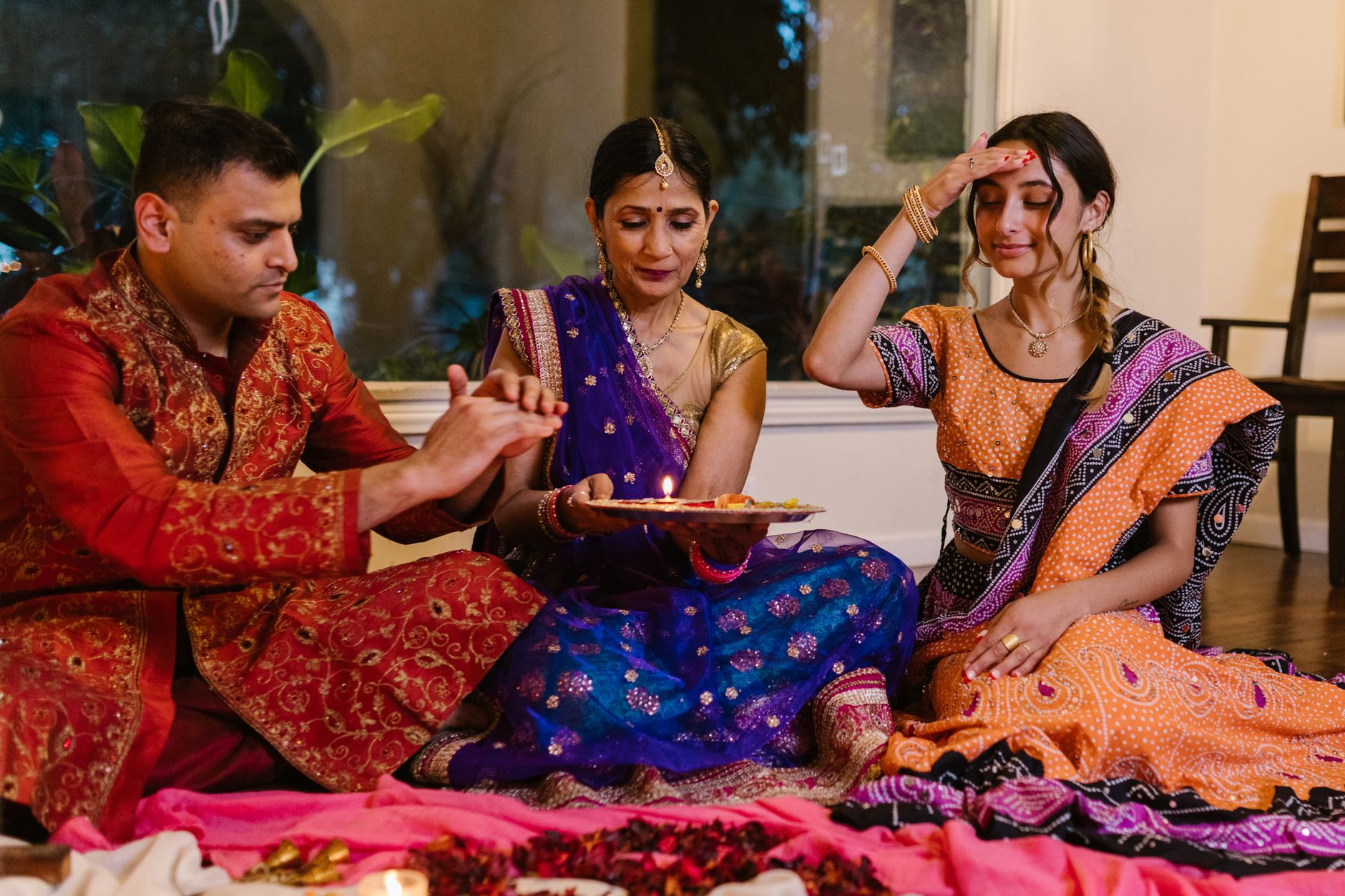
A good fit is not only about the numbers on a size chart. It is also about whether your child can wear the outfit happily through the full event. For weddings, Diwali and other family celebrations, check that the neckline is not rubbing, the sleeves are not pulling, and the child can sit down easily without fussing.
It is worth thinking about fabric too. Some children are fine in more structured pieces for a short while, but if the event is long, softer lining, lighter fabric and an easier shape may be the better choice. A child who keeps adjusting their clothes all evening is telling you the fit is wrong, even if the size label looks right. If you are ready to talk through options, you can send your child’s details to TinyTraditionz here and we will help you find the best match for the occasion.
- Make sure the outfit does not pinch under the arms or across the chest.
- Check whether your child can sit, bend and walk comfortably.
- Look for hems and sleeves that are not likely to trip them up or feel awkward.
- Think about the length of the celebration, not just how the outfit looks in a photo.
Send Us Your Child’s Age, Measurements and Occasion for Personal Sizing Help
If you are shopping for kids indian wear and want a more personal recommendation, TinyTraditionz is here to help. We are a small UK family brand, so we understand how helpful it is to speak to someone who will look at the child, the measurements and the occasion together rather than just pointing you to a chart.
Send us your child’s age, height, chest, waist and the event they are dressing for, and we will reply personally with the best fit guidance we can give. You can use our enquiry form or send us a message on Instagram DM if that is easier for you.
Parents also ask
Should I choose kids indian wear by age or by measurements?
Measurements are usually more reliable than age alone. Age is a useful starting point, but chest, waist, height and shoulder width give a much better idea of how the outfit will fit and feel on your child.
What if my child is between sizes?
If your child is between sizes, it is usually best to think about comfort and the date of the event. A little extra room can be helpful, especially if the occasion is still weeks away or your child is likely to grow quickly.
How can I make sure my child will stay comfortable for the whole celebration?
Check that the outfit allows them to sit, bend and move without pulling at the chest, shoulders or waist. Soft fabric, the right length and a fit that is not too tight make a big difference over a long wedding or festive day.