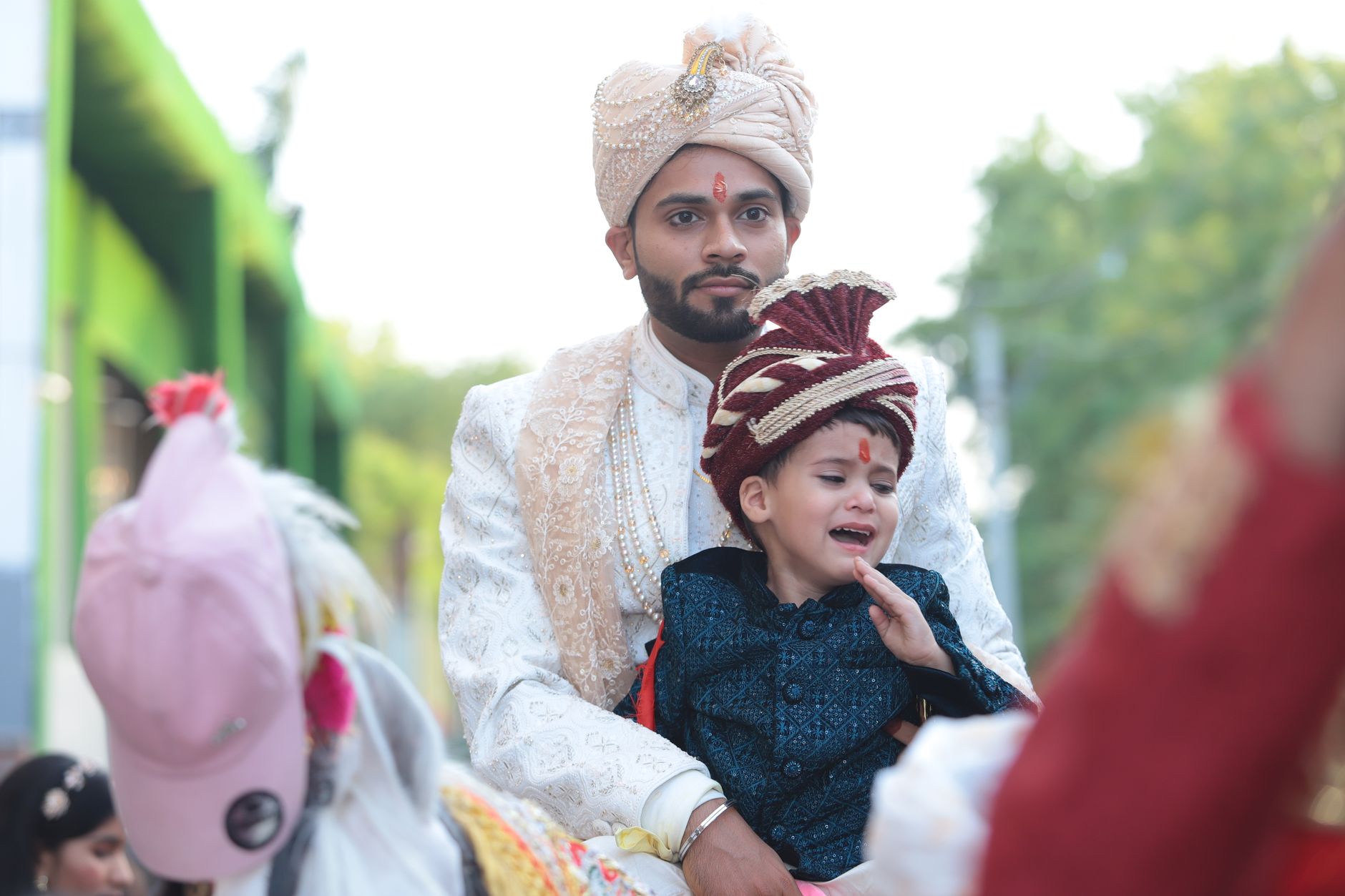
If you have ever wondered whether traditional clothing really matters for children at family celebrations, the honest answer is yes — but not in a forced or fussy way. For many families, kids ethnic wear helps a child feel part of the occasion, not just dressed for it.
At TinyTraditionz, we see this from a parent-to-parent point of view: the right outfit should feel special, should honour your family’s traditions, and should still be practical enough for a child to wear happily through hugs, photos, dancing and a long day of activity.
More than clothes: how kids ethnic wear helps children feel part of the day
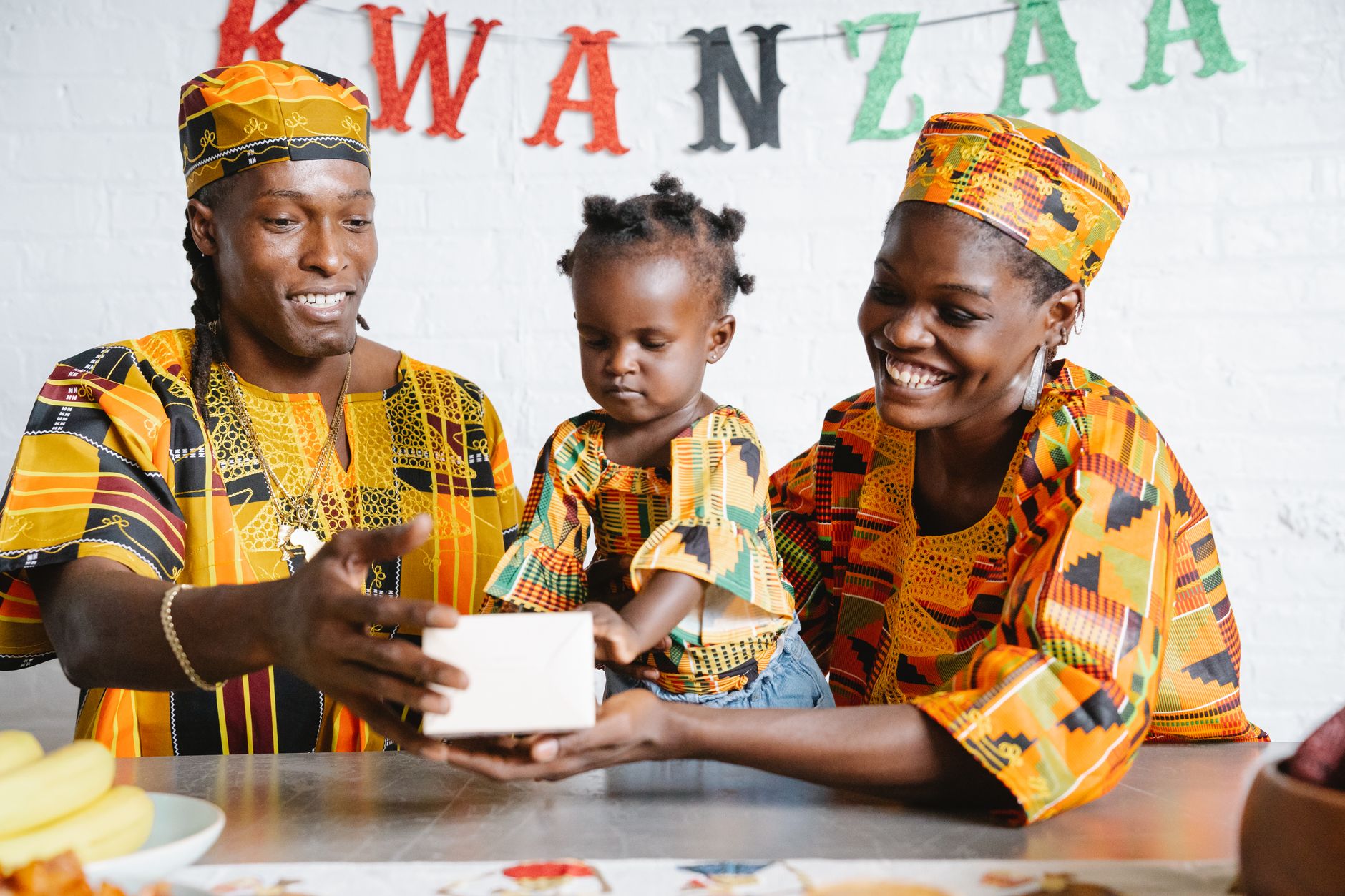
Traditional clothing can do something simple but powerful: it tells a child, “you belong here”. When children are dressed in a way that reflects the family celebration, they often settle into the occasion more naturally. They see themselves as part of the wedding, festival or gathering, not separate from it.
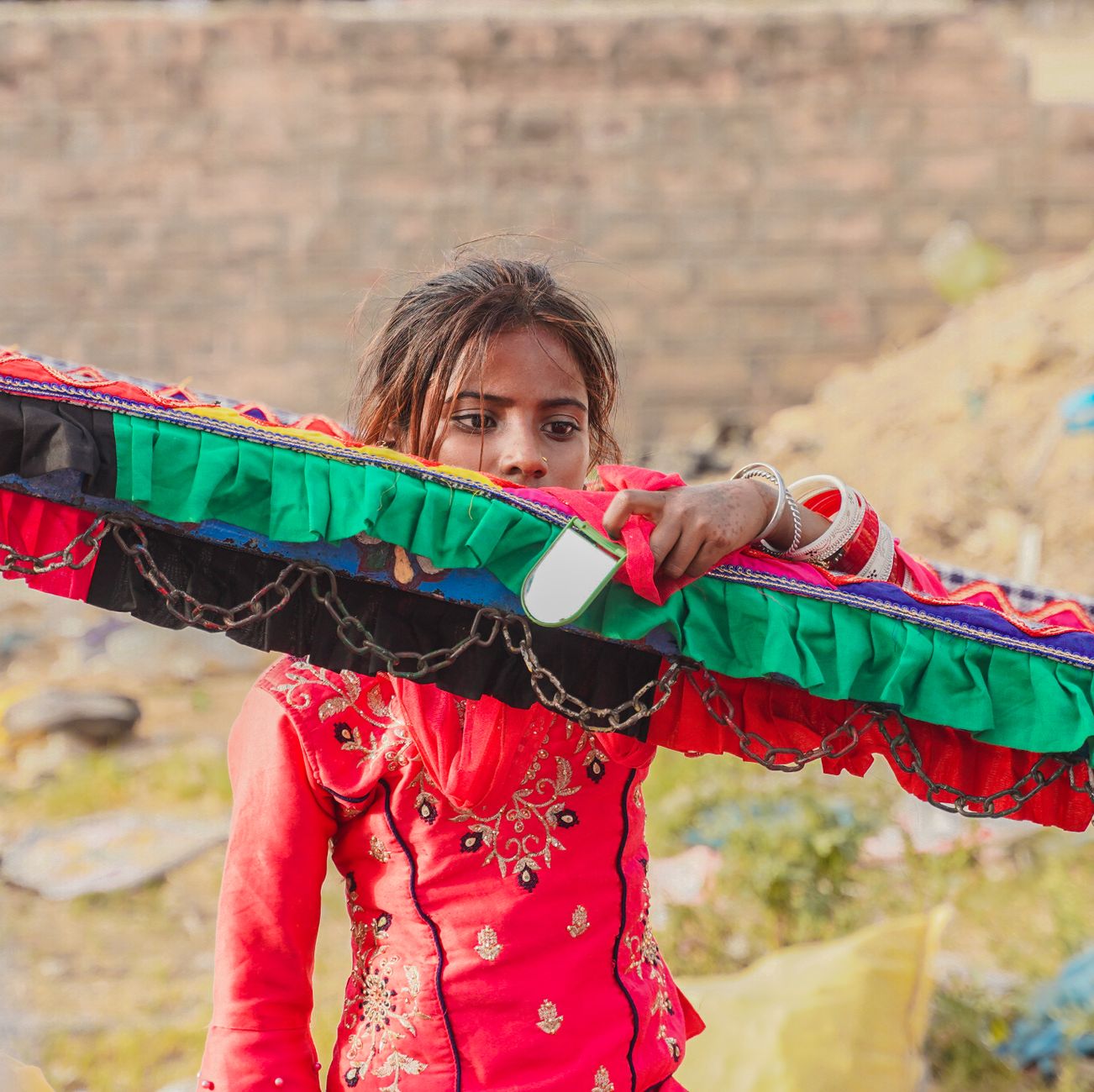
For children growing up in the UK, these moments can matter even more. They may not wear Indian outfits every day, so putting one on for a special event can feel meaningful and memorable. It can also spark questions, stories and conversations about family roots, which helps culture feel lived-in rather than distant.
If you are still deciding what sort of outfit suits your child’s age and the occasion, it can help to read practical guides like our boys’ kurta guide for celebrations or explore more about TinyTraditionz and how we work before you enquire.
The role of tradition in Indian family milestones
- Mehndi: often colourful, playful and comfortable for sitting, dancing and being on the move.
- Sangeet: usually more lively, so children need outfits they can twirl, step and play in.
- Ceremony: a more formal moment where traditional dress can feel especially meaningful in photos and family rituals.
- Reception: a good option for a smarter look that still lets children enjoy the evening.
- Diwali and other festivals: ideal for outfits that feel festive without being too heavy or restrictive.
Making it work for real children, not just the photos
A beautiful outfit is only helpful if a child will actually wear it. That is the part parents often care about most, and rightly so. Comfort, movement and fit matter just as much as appearance, particularly for younger children who may not tolerate scratchy seams, tight waistbands or anything that feels too heavy.
For babies and toddlers, soft fabric, easy dressing and freedom to wriggle matter most. For school-age children, the outfit needs to allow sitting, climbing, eating and dancing without constant readjusting. For older children and teens, getting the fit right becomes more important because they are often more aware of what feels flattering, comfortable and age-appropriate.
The fabric choice can make a huge difference. Lightweight materials usually work better for longer events, especially indoors or in warmer venues. If a child is expected to wear the outfit for several hours, it is worth asking whether the garment is lined, how structured it feels, and whether accessories are optional rather than essential.
You may also want to think about sleeves, necklines, fastenings and length. A child who can dress independently may feel more confident in a simpler style. A younger child may need a shape that is easy to get on and off without stress.
This is why outfit advice is often better than guesswork. If you know your child’s measurements and the occasion, TinyTraditionz can suggest what is likely to work best for comfort and fit, rather than leaving you to make an uncertain choice on your own.
Helping UK parents choose the right outfit with confidence
If you are new to Indian sizing, you are definitely not alone. Many UK parents worry about whether an outfit will be too small, too loose, too formal or simply impractical for their child. That is exactly why a personal conversation can help more than scrolling through generic advice.
At TinyTraditionz, Anuja replies personally and looks at the whole picture: your child’s age, height, chest, waist or other measurements if you have them, plus the type of event and how long they will need to wear the outfit. That makes it much easier to recommend something suitable for a mehndi, wedding day, reception, Diwali gathering or another family celebration.
If you already know the event, do not wait until the last minute to ask. A simple enquiry gives the best starting point, especially when you want guidance that feels thoughtful rather than rushed. It also helps if you mention whether your child prefers softer fabrics, simpler styles or something more festive.
For many families, the right next step is simply to ask. You can send your child’s age, measurements and occasion through our enquiry page, or message TinyTraditionz on Instagram if that is easier for you. A quick note is often all it takes to get practical help that feels personal and reassuring.
If you want to see how we approach family-led service, you can also read about TinyTraditionz before you get in touch.
Parents also ask
Why does traditional clothing matter for children at family celebrations?
It helps children feel included, connected to their heritage and part of an important family moment. For many children, wearing something special also makes the day feel memorable and different from everyday life.
How do I choose kids ethnic wear that my child will actually wear comfortably?
Focus on fit, fabric, movement and the length of the event. Soft materials, simple fastenings and an age-appropriate style are usually a better choice than anything too heavy, tight or restrictive.
When should I ask TinyTraditionz for outfit advice?
As soon as you know the occasion. The most helpful details are your child’s age, measurements if you have them, and whether it is for a mehndi, sangeet, wedding day, reception, Diwali or another celebration.