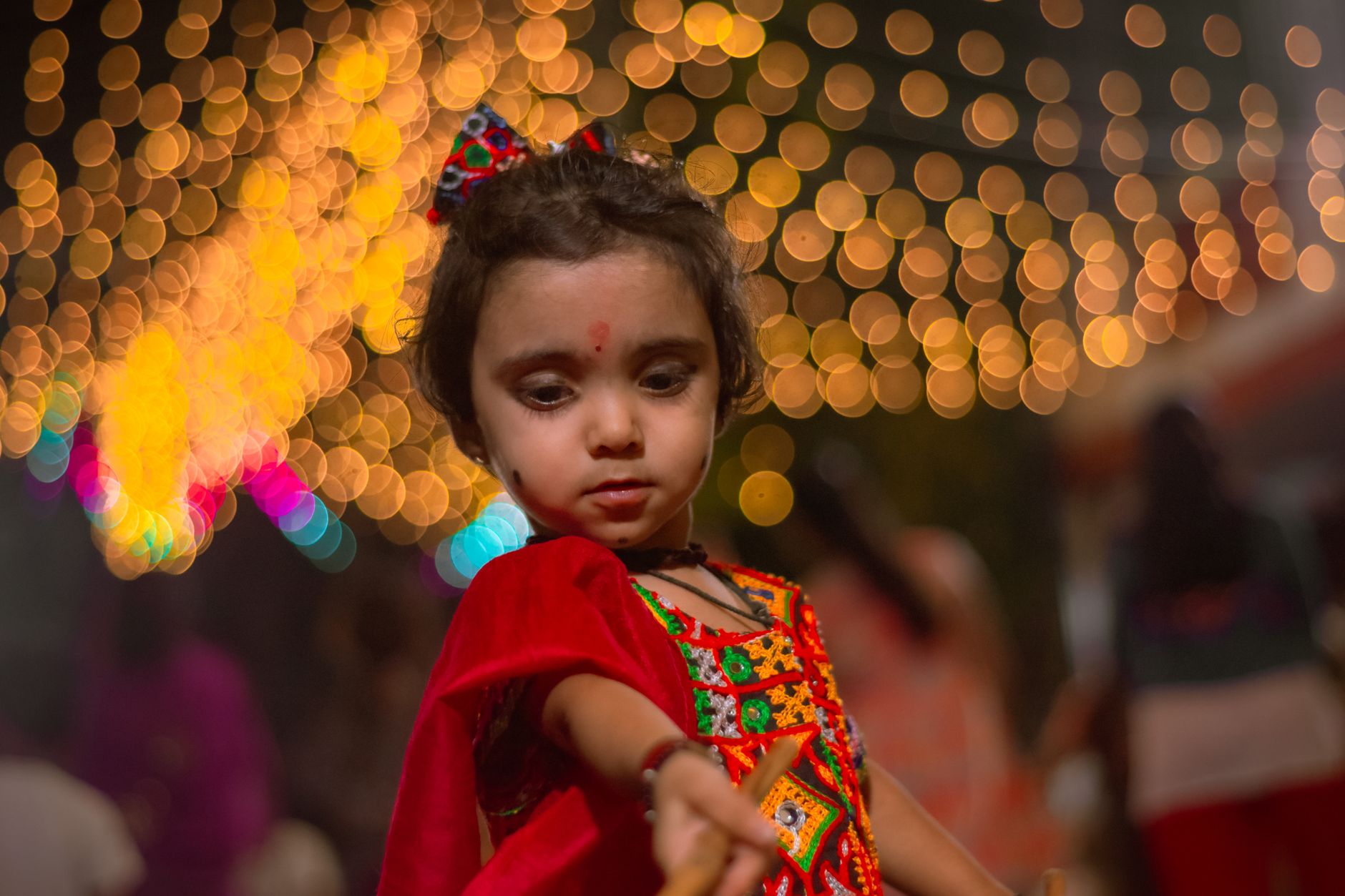
If you are choosing a girls lehenga for the first time, it can feel like there are a lot of things to get right at once. You want something that looks special, but also something your child will actually wear comfortably through the event.
That is especially true for Indian weddings and big family celebrations, where children may be dressing for different parts of the day. The right lehenga depends on age, movement, fabric, lining and the kind of occasion you are attending.
When a girls lehenga is the right choice for a wedding or festive event
A girls lehenga is a lovely choice for many wedding and celebration settings because it feels special without needing to be overly formal. It works well when you want your child to match the occasion, take part in family photos and still move around with ease.
For UK families, a lehenga is often chosen for weddings, engagement celebrations, Diwali, Navratri and other family gatherings where festive dress feels appropriate. If you are unsure whether a lehenga is the right level of dress, it helps to think about the event dress code, the time of day and how active your child is likely to be.
Some families like to keep children in a lehenga for the whole day, while others choose it for one part of the celebration only. If you are comparing options, our girls lehenga buying guide for weddings is a helpful place to start.
- Best for festive family occasions and wedding functions
- Useful when you want a dressed-up look without going too heavy
- A good option for children who enjoy skirts, movement and colourful outfits
How to choose the right girls lehenga by age, comfort and occasion
Age matters, but not in a strict one-style-fits-all way. A toddler usually needs a very different girls lehenga from a pre-teen or older child. Younger children often do best in softer fabrics, lighter embroidery and simpler silhouettes, while older girls may be happy with a more detailed look if the fit is comfortable.
The occasion matters too. A daytime mehndi may suit something bright and playful. A sangeet may call for a slightly dressier look if there will be dancing. A ceremony may need something more polished, while a reception can work well with richer colours or a more refined finish.
If you are new to Indian wear, the easiest way to narrow it down is to think about what your child can happily wear for a few hours without fuss. TinyTraditionz can help with that through a personal fit enquiry for children’s Indian outfits, so you can share age, size and the event before choosing.
- For younger children: choose softness and easy movement
- For older children: balance style with comfort and confidence
- For long events: consider how much sitting, walking and dancing will happen
What works for mehndi, sangeet, ceremony and reception
Different wedding events often call for different looks, even within the same family celebration. For a mehndi, a girls lehenga in a bright colour can feel cheerful and relaxed. Light fabrics and fewer layers are often easier for children if there will be sitting on the floor or plenty of movement.
For a sangeet, a lehenga that feels a little more dressed up can work nicely, especially if your child enjoys dancing or joining in performances. The key is still comfort, because sequins or heavier decoration can become irritating if the fit is not quite right.
For the ceremony, many parents look for a more traditional, elegant feel. That might mean a fuller skirt, a neater blouse and a coordinated dupatta, but it should still allow your child to sit, stand and walk comfortably. Reception outfits can be a little more polished or grown-up in style, as long as they remain age-appropriate and practical.
If you are also choosing for siblings, it can help to plan the children’s outfits together so they feel coordinated without looking identical. For boys, our boys kurta guide for family events can make matching the children much easier.
- Mehndi: bright, light and easy to move in
- Sangeet: festive and dance-friendly
- Ceremony: elegant, comfortable and secure to wear
- Reception: polished, coordinated and age-appropriate
Fabric, fit and practicality: what parents should check before buying
Fabric is one of the biggest factors in whether a girls lehenga will be loved or left hanging in the wardrobe. Some children are happy in decorative fabrics for a short spell, but for a long wedding day most parents want something that feels soft enough against the skin and does not itch or overheat easily.
Lining matters just as much as the outer fabric. A good lining can make an outfit feel much more wearable, especially for younger children. It helps avoid scratchiness and can stop the lehenga from feeling too stiff. The waistband also matters: it should sit securely without digging in, especially if your child will be eating, dancing or sitting for photos.
Sleeve style can make a real difference too. Some children are happier in short sleeves or capped sleeves, while others prefer a slightly more covered blouse. Think about the season, the venue and whether your child tends to feel warm quickly.
If you are choosing a girls lehenga for a full day celebration, ask yourself one simple question: will my child still be comfortable in this after a few hours? That question usually tells you more than the label ever will. You can also browse our girls lehenga collection page and then send measurements through our enquiry form so TinyTraditionz can help with the best match.
- Check whether the fabric feels soft enough for a long wear
- Look for a sensible lining, especially for younger children
- Make sure the waistband is secure but not tight
- Choose sleeve coverage based on season and your child’s comfort
Styling ideas for girls lehenga outfits without overcomplicating them
With children’s occasionwear, the best styling is usually the kind that does not get in the child’s way. A girls lehenga already makes a strong statement, so it often does not need much more than neat hair, comfortable footwear and one or two simple accessories.
For younger girls, keep jewellery light and avoid anything that needs constant adjusting. For older children, a dupatta can finish the look beautifully, but it should be pinned or arranged in a way that allows movement. If your child is sensitive to hair accessories or bangles, it is perfectly fine to keep styling minimal.
Footwear is easy to overlook, but it can affect the whole day. A pretty outfit will not feel special if the shoes rub. Choose footwear that matches the look but still lets your child walk, sit and play without complaint.
When in doubt, let the outfit do the work. Many parents find that a simple, well-fitting lehenga looks far better than a heavily styled one that has to be constantly fixed. If you are choosing festive wear too, our Diwali outfit ideas for kids can also help you think about practical styling across different celebrations.
- Keep jewellery simple and child-friendly
- Pin dupattas securely so they stay in place
- Choose shoes your child can genuinely walk in
- Do not overstyle if your child is already wearing a detailed outfit
How TinyTraditionz helps UK families find the right fit through enquiry
Buying Indian wear for children in the UK can be tricky if you are not familiar with the sizing or the way different outfits are designed to fit. That is why TinyTraditionz works by personal enquiry rather than checkout. It gives you space to ask the questions that matter before you commit to a style.
If you send your child’s age, measurements and the occasion, Anuja can reply personally with what is likely to work best. That includes honest advice about fit, fabric, comfort and how the outfit may wear through the event. It is especially useful if your child is between sizes, sensitive to certain fabrics or attending more than one function.
Parents often tell us they do not just want something beautiful. They want something their child will actually keep on for the whole celebration. That is exactly the kind of help TinyTraditionz is set up to give.
If you are ready to narrow it down, send a message through the enquiry form with your child’s age, size or measurements and the occasion. You can also reach out by Instagram DM if that feels easier, and TinyTraditionz will guide you from there.
Parents also ask
What age range is a girls lehenga suitable for?
A girls lehenga can suit a wide range of ages, from toddlers to teenagers. The best choice depends less on age alone and more on fit, comfort, fabric and how formal the event is. Younger children usually do better in lighter, simpler styles, while older girls may enjoy more detail if the outfit still feels comfortable.
How do I know if the lehenga will be comfortable for my child all day?
Look at the fabric, lining, waistband and sleeve style, and think about how much moving, sitting and dancing the day involves. If your child is likely to wear it for several hours, comfort should come before decoration. TinyTraditionz can help you assess this through a personal enquiry.
Can I ask for help if I do not know Indian sizing?
Yes. That is exactly what the enquiry process is for. Share your child’s age, measurements and the occasion, and TinyTraditionz will help you work out what is likely to fit and feel best.